

Special transformers usher in the era of customization
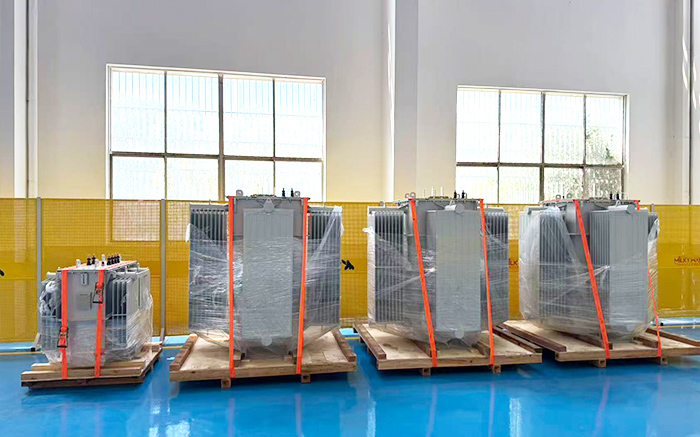
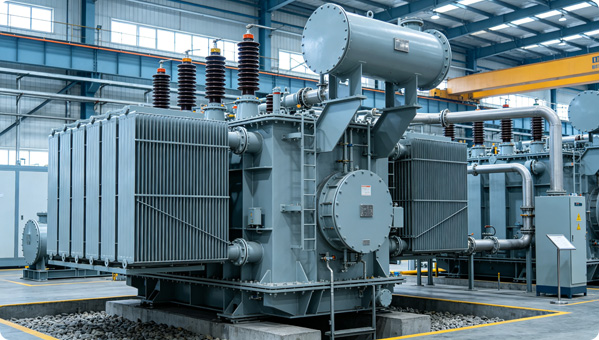
In the transformer industry, the competition for standardized products is becoming increasingly fierce, and special transformers, with their deep adaptation to specific operating conditions, are becoming a key area of differentiation competition for manufacturing enterprises. Tin bath dry-type transformers, magnetic voltage regulators, electric furnace transformers, rectifier transformers and other categories all require manufacturers to have interdisciplinary customization capabilities.
Tin bath dry-type transformers serve float glass production lines, installed at the top of the tin bath and exposed to high temperatures above 75 ℃ for a long time. Its insulation level must reach H level and be equipped with high-temperature shock absorption devices to prevent electric vibration from affecting the fluctuation of the tin liquid level. Once there is a power outage, the entire glass production line will face huge losses, and the reliability requirements are extremely high.
Magnetic voltage regulators are irreplaceable in precision temperature control scenarios such as heat treatment and vacuum brazing. It can continuously and smoothly adjust the output voltage under load conditions, and achieve high-precision temperature control in conjunction with a microcomputer control system. Although solid-state power regulators have formed some competition, magnetic regulators still maintain a stable market in heavy industries such as metallurgy and glass in terms of impact resistance and long lifespan.
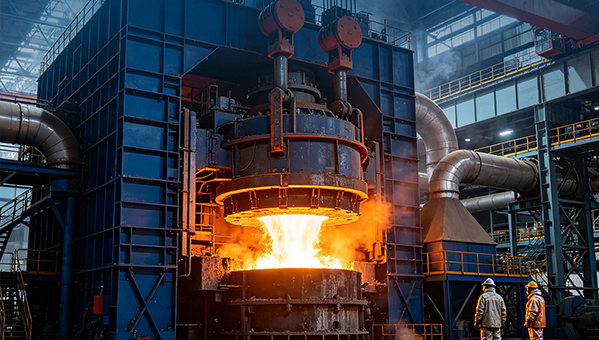
Electric furnace transformers are designed for the metallurgical industry and are required to withstand short-circuit current surges and frequent load fluctuations. Taking ferrosilicon smelting as an example, the 110kV electric furnace transformer needs to convert high-voltage electrical energy into low-voltage high current suitable for electric furnace use, and the design difficulty lies in the balance between magnetic circuit structure and winding mechanical strength.
Rectifying transformers serve DC power supply scenarios such as electrolysis, electroplating, and hydrogen production, and have strict requirements for harmonic suppression and pulsation optimization. The rapid expansion of the electrolytic water hydrogen production industry has driven the demand for dry-type rectifier transformers, which need to have short-term overload capacity to adapt to the fluctuating loads of new energy hydrogen production.
From a market perspective, the global transformer industry is currently in a period of high prosperity. From January to April 2026, the export value of transformers in China increased by 27% year-on-year, and the average product price increased by about one-third. The aging transformation of European and American power grids combined with the construction of AI data centers provides a broad space for Chinese transformer companies to go global. For special transformer manufacturers, deepening the segmentation of scenarios and strengthening customization capabilities are the core barriers that distinguish them from standard product competition.